MACHINE SUPPORT & MODERNIZATION
Industrial Machine Support & Modernization
Troubleshooting, controls upgrades, commissioning, and documentation support for industrial machines and production systems.
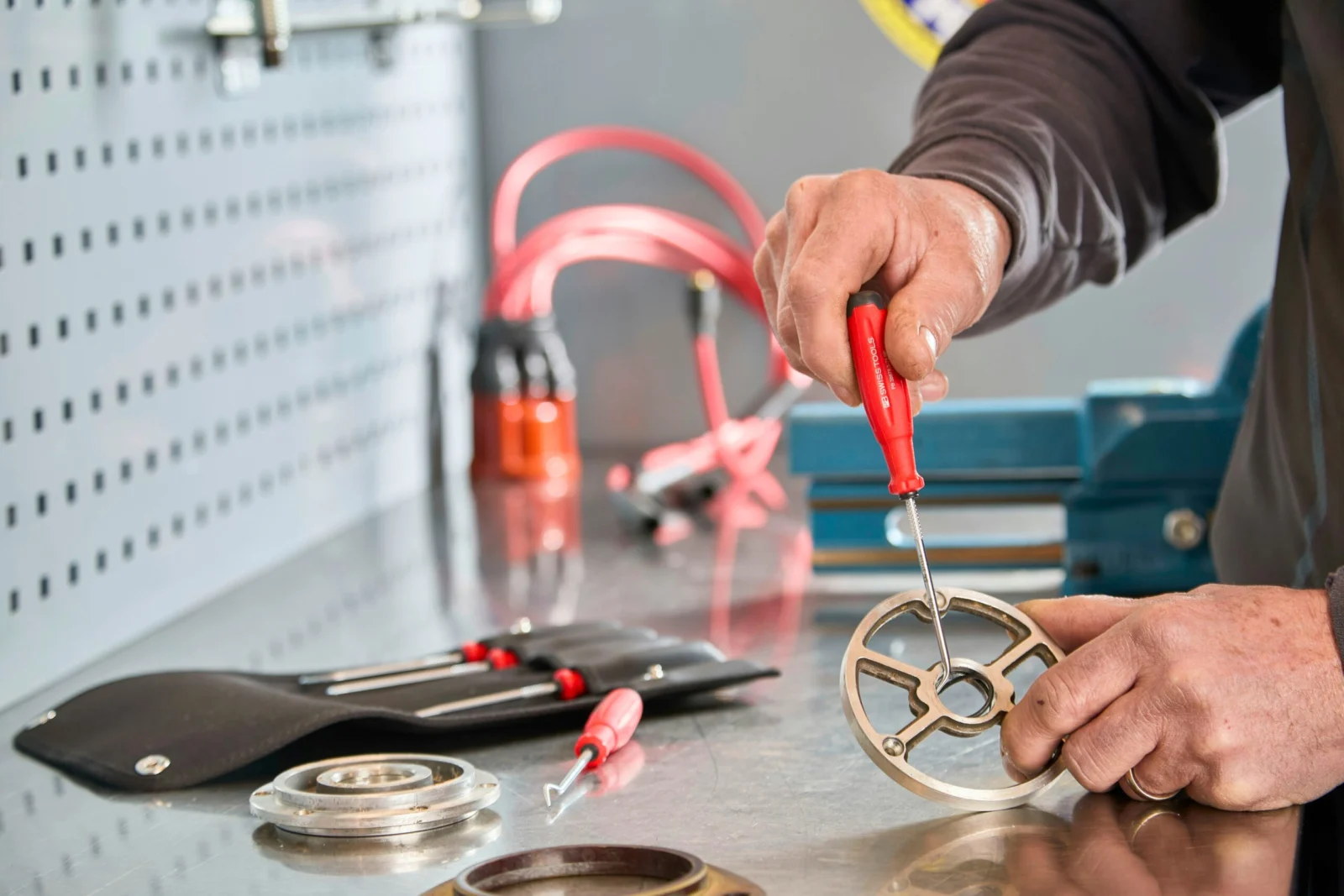
TROUBLESHOOTING
Understand the fault before changing the system.
Start with the symptoms, operating sequence, and available documentation. We investigate electrical and controls behavior to help define a practical corrective scope.
- Machine faults and recurring stops
- PLC, HMI, sensor, and communications diagnostics
- Sequence and interface investigations
- Root-cause findings and documented changes
UPGRADES & RETROFITS
Improve the equipment you already have.
Controls improvements
Review PLC/HMI functions, operator information, alarms, and machine diagnostics.
Equipment changes
Integrate added devices, stations, instrumentation, and production interfaces.
Documentation recovery
Update schematics, software records, and operating information as part of the agreed work.
COMMISSIONING & HANDOVER
Prepare the machine for operation and support.
Plan startup activities with your team, check agreed functions, and organize the information needed after the project is complete.
- I/O and sequence checks
- Equipment interface and functional testing
- Software backups and drawing updates
- Operator and maintenance handover support
For a support inquiry, include the machine location, make or model, controls platform, fault symptoms, and target timing. Site access and scheduling are reviewed with each request.
Tell us what the machine is doing.
A brief description of the equipment and the issue is a useful starting point.
Choose support around the condition of the equipment.
Diagnose before committing to a modification
A machine that stops unexpectedly may have an electrical, sensing, software, communication or mechanical issue. The first useful scope is often an investigation of the symptoms and the sequence. AET reviews the available evidence before treating a code change or hardware replacement as the answer. Machine troubleshooting can establish findings and a defined corrective scope.
Modernize when the limitation is supportability
An obsolete controller, failing HMI or unavailable drive may justify a planned upgrade even when the machine still runs. AET reviews the existing functions, interfaces, documentation and shutdown constraints. PLC migrations and controls upgrades can be scoped separately from a complete machine retrofit.
Recover the information needed for maintenance
Missing drawings, uncertain software revisions and undocumented field changes make future work harder to plan. A documentation scope can identify the available records, review them against the equipment and prepare an agreed handover set. Access to original files, proprietary equipment and specialist software may affect what can be recovered.
Prepare people as well as equipment
Operators need to understand machine states, alarms and the approved recovery process. Maintenance personnel need the drawings, backups and diagnostic information relevant to their work. Training can be planned around the installed system and the customer’s procedures. It is not a substitute for required qualifications, authorization or machine-specific safety training.
Plan access and scheduling
Machine support depends on technical fit, access, available information and the operating schedule. AET reviews each request before confirming on-site or remote activities. Remote work, where appropriate, uses a customer-approved arrangement consistent with the plant’s IT/OT policies. No public promise of round-the-clock response or guaranteed arrival time is made.
For an initial inquiry, provide the machine location and function, controller/HMI details, symptoms, recent changes, available files and the production impact. State the timing you need and the windows in which the machine can be accessed. AET will clarify the scope, dependencies and next step before work begins.